

Most detox plans fail for a simple reason: they focus on what to take before asking whether the body is ready to process and eliminate what the protocol will mobilize.
Detoxification requires energy, minerals, functioning elimination pathways, a regulated enough nervous system, and a plan that matches the person’s actual burden and sensitivity.
When those pieces are ignored, people often blame themselves for a protocol that was poorly sequenced from the start.
You might dive into a detox plan with high hopes, only to find yourself feeling cranky, drained, and wondering why it didn’t work.
Here’s the hard truth: most detox plans fail because they completely miss the root causes of what’s actually going on in your body. (It’s not just about cutting out the chocolate or skipping happy hour.)
Another major issue?
Most detoxes ignore the fact that your body needs energy and proper support to effectively remove toxins.
This isn’t a simple rinse-and-repeat process; it’s a full-body operation that requires your nervous system to be on board.
If your energy reserves are low or your system isn’t supported, you’re setting yourself up for frustration, not results.
Detox isn’t just about what you take away—it’s about giving your body what it needs to do the heavy lifting.
And let’s not forget the bigger picture: a truly effective detox goes beyond food.
Emotional stress, environmental toxins, and even the frustration you’re carrying from last week’s meltdown at work all play a role.
The key is tailoring your approach to your unique body and life—not following a one-size-fits-all plan.
When you address the full picture, you stop spinning your wheels and start seeing real progress.
Let’s look at what detox is and some common reasons past detox efforts may have left you feeling worse than when you started.
Key Takeaways
- A successful detox addresses multiple health issues and root causes.
- Adequate energy and nervous system support are crucial for effective detoxification.
- A personalized approach that includes emotional and environmental factors is essential.
What is Detoxification?
Detoxification is your body’s way of getting rid of unwanted chemicals or toxins. It mainly happens in your liver but involves your whole body. Understanding the phases of detoxification and the effects of toxin buildup can help you appreciate how the process impacts your health.
Phase 1 Detoxification
Phase 1 of detox is like your body’s chemistry lab, breaking down toxins into smaller, more manageable pieces.
This phase uses specialized enzymes to transform fat-soluble toxins (the ones that love to hang out in your fat cells) into water-soluble forms that your body can process and get rid of (1).
Sounds great, right? But there’s a catch—sometimes these partially broken-down toxins are even more reactive and damaging than the originals. Fun, huh?
Your liver is the hero here, producing those all-important enzymes that keep the process running smoothly.
But those enzymes don’t just appear out of nowhere—they need fuel to do their job.
Vitamins like C and the B-complex crew are absolute rockstars when it comes to supporting this phase.
A nutrient-rich diet is the secret sauce that keeps your liver happy and your detox pathways working like a well-oiled machine.
Skimp on the right nutrients, and Phase 1 can turn into a traffic jam of reactive toxins with nowhere to go. And nobody wants that!
Keep going. The best version of you is just on the other side of this.
Join our Rapid Gut Reset to get started! And with the right approach, you’ll come out stronger, clearer, and ready to embrace the life you’re meant to live.
Join Rapid Gut ResetPhase 2 Detoxification
Phase 2 of detox is where your body steps up its game, turning those reactive little troublemakers from Phase 1 into harmless, easy-to-remove packages.
Think of it as bubble-wrapping your toxins and slapping a shipping label on them, getting them ready for excretion.
This process, called conjugation, uses amino acids and other molecules to neutralize toxins, making them safe to send out of your system for good (2).
Here’s where your diet can make or break the process.
Foods rich in sulfur—like garlic, onions, and even broccoli—are your Phase 2 champs.
They provide the building blocks your body needs to attach to toxins and move them out.
The key to maintaining your health is balance: both Phase 1 and Phase 2 need to work in sync for efficient detoxification.
If one phase outpaces the other, it’s like trying to clean your house while still making a mess—you’re not really making progress.
By supporting both phases with the right nutrients and habits, you help your body stay on top of the detox game, keeping you energized and resilient.
Toxic Burden
Toxic burden is just a fancy way of saying your body’s carrying more toxins than it can handle, thanks to everyday culprits like processed food, polluted water and air, and even those “fresh-scented” personal care products (3).
When this burden gets too heavy, it’s like your detox systems are stuck in a never-ending to-do list—they can’t keep up.
Over time, this overwhelm can snowball into constant fatigue, digestive drama, or even more serious health issues that leave you wondering what went wrong.
Reducing your toxic burden isn’t about perfection (goodbye, guilt over that takeout last night).
It’s about making smart choices where you can.
Swapping to organic foods, choosing natural cleaning products, and skipping that candle aisle full of synthetic fragrances can all make a big difference.
Pair those changes with regular detox support—like staying hydrated, eating nutrient-rich foods, and sweating it out with exercise—and your body will be better equipped to handle the modern world’s challenges.
Little by little, these shifts add up to a healthier, more vibrant you.

Mistake #1: Missing Multiple Issues and Root Causes
Detoxification is often misunderstood as a quick fix for getting rid of toxins. The complexity of the body’s systems and the need to address multiple root causes in a personalized way are crucial for effective detoxing.
Complexity And Interconnectedness Of The Body
Your body is a brilliantly complex network, with every system working together like an intricate symphony to keep you healthy.
Detox isn’t just about “flushing out toxins”—it’s about supporting this entire interconnected orchestra.
When one system is out of tune, the others feel it, too.
That’s why a one-size-fits-all detox can backfire. Sure, it might focus on the liver (the detox darling), but it often ignores key players like your kidneys, intestines, or lymphatic system.
Bioregulatory medicine gets this (4).
It looks at the bigger picture, addressing how all your systems influence each other during detox.
Because let’s be honest, targeting one organ while ignoring the others is like trying to fix a leaky faucet when the main water valve is still open.
Without considering this complexity, detox efforts can throw your body off balance, leaving you feeling worse instead of better.
The key is a thoughtful, whole-body approach that keeps every system supported and in harmony—because that’s where true health happens.
Addressing Multiple Root Causes In The Wrong Order
Yes, detoxification removes toxic substances.
But you also need to understand and target the root causes that led to the toxin buildup in the first place. These may include infections, stressors, or a poor diet.
Addressing these causes in the wrong order may reduce the effectiveness of your detox efforts.
For instance, tackling stress management first could improve your body’s natural detox pathways, making subsequent steps more effective.
Recognizing which issues to prioritize requires careful evaluation of your toxin burden and overall health.
Skipping this step can lead to incomplete detoxification and persistence of symptoms, making your journey toward wellness longer than necessary.
Individualized Approach Is Paramount
Detox isn’t a one-size-fits-all magic bullet.
Your body is as unique as your fingerprint, and what works wonders for someone else could leave you feeling worse—or just spinning your wheels.
A personalized approach to detox is essential to ensure it’s not only safe and effective but also aligned with your specific health needs and goals (4).
When you tailor your detox, you’re addressing the things that matter most to your body and taking into consideration your lifestyle, genetics, and current health status to create a plan that works for you.
And because life isn’t static, this approach allows for adjustments as your needs evolve.
Personalization honors the complexities of your body and sets you up for long-term vitality.
This is where the magic happens: a detox that doesn’t just give you temporary relief but paves the way for lasting health and energy.
Your body deserves a path to healing as unique as you are.
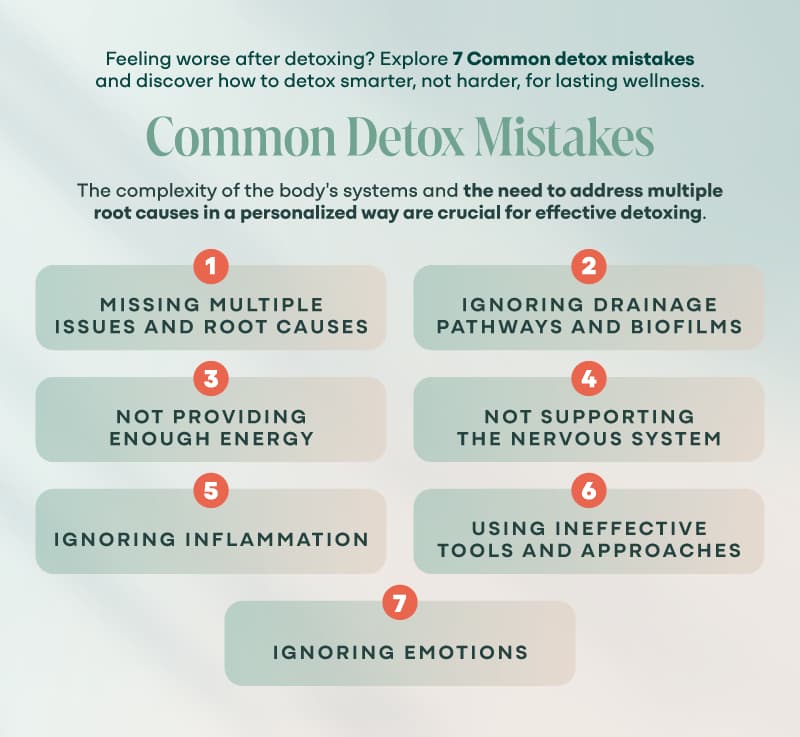
Mistake #2: Ignoring Drainage Pathways and Biofilms
Ignoring your drainage pathways can lead to stagnation in the body. This causes toxins to build up, making it hard for your body to function well. Let’s investigate what happens when you ignore these pathways.
Open Drainage Pathways
Your body is equipped with an amazing built-in cleaning crew—organs and systems like your liver, lymph, and kidneys—that work together to clear out waste and toxins (4, 5).
These are your drainage pathways, and they handle the heavy lifting of detox through channels like your skin, urine, and GI tract (4, 5).
When these pathways are clear and flowing, your detox systems can do their job efficiently, which is critical for any detox to work.
But when things get backed up—hello, sluggish bile flow or poor fluid balance—those toxins can get stuck, leaving you feeling tired, bloated, and just plain “not good.”
Over time, this stagnation can take a toll on your health.
Keeping these pathways open and flowing is key to keeping your detox efforts on track and your body humming along.
A little focus on things like bile flow and hydration goes a long way in keeping the whole system running smoothly (7).

Impact of Stagnation
Stagnation can create big problems for your health.
If the body’s drainage pathways get blocked, toxins can’t leave.
It’s like locking the proverbial fox in the henhouse.
This makes your body a toxic place, putting stress on organs and leading to chronic health issues.
When stagnation takes over, regular detox functions in systems like the lungs and liver become hard.
Blocked detox pathways can slow or stop the process of heavy metal detoxification. It’s the reason maintaining flow through these pathways is a central point of wellness.
Regularly helping organs flush out toxins is critical for your health and overall vitality, so clear drainage pathways are non-negotiable.
What About Biofilms?
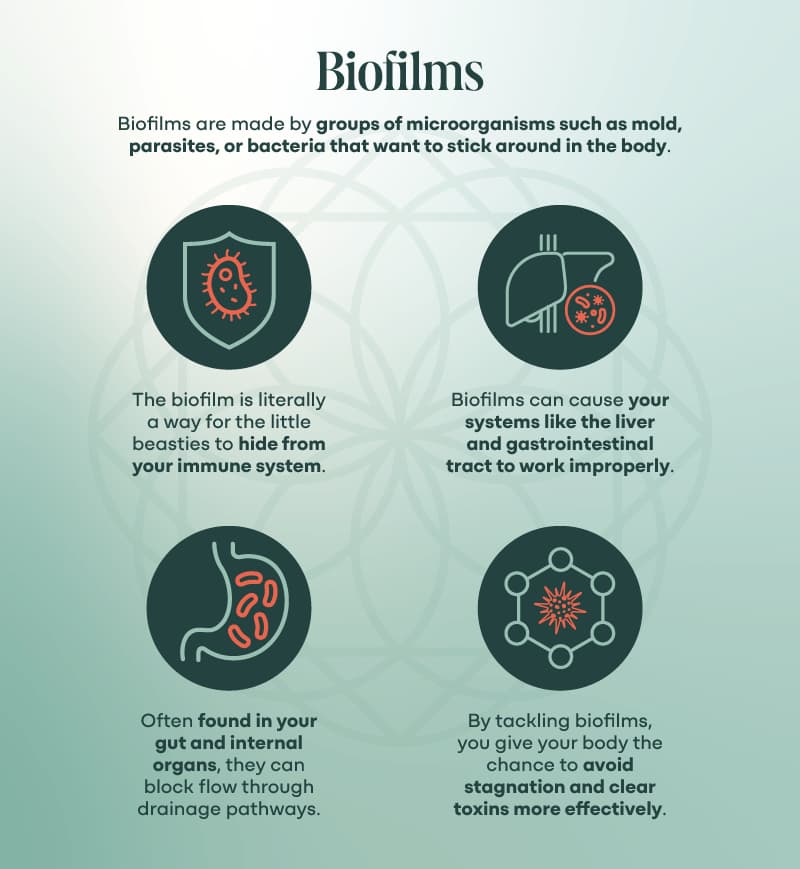
Biofilms are made by groups of microorganisms such as mold, parasites, or bacteria that want to stick around in the body.
The biofilm is literally a way for the little beasties to hide from your immune system, and it also provides a barrier against flushing out toxins (8).
Biofilms are often found in your gut and internal organs, which means they can block flow through drainage pathways.
Since biofilms can cause your systems like the liver and gastrointestinal tract to work improperly, addressing biofilms is a must for sustaining flow.
By tackling biofilms, you give your body the chance to avoid stagnation and clear toxins more effectively, making your detox efforts much more efficient.
Think of it as clearing the logjam so the river can run free again!
Mistake #3: Not Providing Enough Energy
Sometimes, detox diets don’t give your body what it needs to keep your energy up. They might cut out important foods, leading to low energy and health issues. To understand why, look at how these diets interact with your body’s energy and nutrient needs.
Energy and Mitochondrial Support
Your energy is powered by the tiny, hard-working mitochondria in your cells—think of them as your body’s personal power plants.
But a lot of detox diets aren’t exactly mitochondria-friendly.
Many plans slash carbs, proteins, and fats—the very things your mitochondria need to churn out energy.
Without these, your energy tanks, and suddenly even the simplest tasks feel like climbing Mount Everest.
To make matters worse, detox diets that skimp on protein can leave your muscles and tissues struggling to repair and rebuild.
Lean protein is critical for keeping your energy stable and your body strong.
And let’s not forget antioxidants—those protective compounds found in fruits and veggies that shield your mitochondria from damage.
Some detox plans barely include these essential plant-based foods, which only makes the problem worse.
If you want to detox and keep your energy up, the solution is simple: focus on nourishing your body.
While you’re in these early stages, I’m going to ask you to STOP trying to eat a “rainbow of foods.”
What?! I know this may sound opposite of what you’ve been told in the past.
But when working through a detox, you have to listen to your body, and that means considering everything it may be reactive to, including “healthy” foods.
These “healthy” foods often contain lectins, oxalates, and histamine that can trigger your system.
By removing them (temporarily or permanently) from your diet, and feeding your body what it needs to feel the love, your efforts will be much more successful.
Your mitochondria will thank you, and you’ll feel the difference in your stamina and resilience.
Detox doesn’t have to mean running on empty—simply fuel your body the right way.
As your body detoxes and you make progress on your health goals, you can start to add more colors to your plate!

Replenish Nutrients
A nourishing diet packed with key nutrients is a priority, especially during detox (14).
Unfortunately, many detox plans pay little attention to essentials like electrolytes (looking at you, potassium) and minerals.
When these levels dip, you can feel weak, foggy, or even deal with blood sugar crashes—hello, hypoglycemia! Not exactly the energy boost you were hoping for, right?
Then there’s fiber—or the lack of it.
Many detoxes overlook this key player in digestion, which leaves your system struggling to clear waste efficiently.
To keep your energy up and your body balanced, focus on the good stuff: healthy fats, lean proteins, and phase-specific supplements.
To help handle stress, ReMag lotion is a great option, and if you need a little help with anxiety, Albizia is my go-to!
Mistake #4: Not Supporting the Nervous System
The nervous system plays a big role in the detox process. When it’s not working well, detox efforts can stall, leading to issues like fatigue and brain fog. Stress, when not managed properly, can also prevent progress, but retraining the nervous system can help make detox more effective.
How the Nervous System Regulates Detoxification
Your nervous system plays a huge role in how your body handles detox—it’s the command center that sends signals to keep your detox pathways running smoothly.
One of its stars is the Vagus nerve, which helps regulate digestion and immune function, two critical pieces of the detox puzzle (10).
But when your nervous system is out of whack, these processes can slow down or even stall, leaving your detox efforts struggling to keep up.
A well-functioning nervous system is like a green light for detox.
It supports your body’s relaxation responses, helping you shift into “rest and digest” mode where true detox magic happens.
This is especially important if you’re dealing with classic detox symptoms like brain fog or low energy—your body needs that extra support to keep clearing out toxins and get back to feeling its best.
Unresolved Stress and Dysregulation Blocks Progress
Unresolved stress is like kryptonite for your detox efforts.
When stress lingers, it throws your nervous system into overdrive, disrupting its natural rhythm and putting detox on the back burner.
Your body shifts into survival mode, flooding your system with stress hormones like cortisol.
While great for dodging immediate threats, this response can seriously interfere with how your body processes and removes toxins (11).
To get your detox back on track, you need to address the stress.
Relaxation techniques—like deep breathing, meditation, or even a walk outside—help activate your nervous system’s “rest and digest” mode, calming the chaos and letting your body refocus on its detox tasks.
The calmer your nervous system, the better equipped your body is to clear out the toxins holding you back.
Nervous System Retraining
Retraining your nervous system is a powerful way to supercharge your detox efforts.
By practicing techniques to manage stress responses, you can help your body get out of survival mode and back into detox mode.
Simple but effective tools like deep breathing, meditation, and targeted exercises work wonders in calming your system and supporting its natural ability to clear toxins.
These practices also regulate your Vagus nerve, which plays a key role in opening detox pathways and maintaining balance (10).
As you build these habits, you’ll likely notice less fatigue, fewer episodes of brain fog, and an overall sense of feeling lighter and more energized.
Taking the time to retrain your nervous system helps you set the stage for lasting vitality and well-being.
Mistake #5: Ignoring Inflammation
Inflammation can seriously affect your health and even disrupt detox efforts. Understanding how unresolved inflammation and hidden stressors drain your energy can help you have a successful detox.
Unresolved Inflammatory Cascades Create Detox Roadblocks
When your body detects inflammation, it sends out a flurry of distress signals called inflammatory cascades—like little messengers alerting your system to an injury or infection (12).
That’s all well and good until those signals stick around longer than they should.
Chronic inflammation, often triggered by processed foods, stress, mold, parasites, industrial chamicals, EMFs, or lingering infections, creates roadblocks that slow down your detox pathways, making it harder for your body to clear out toxins.
When these inflammatory signals persist, they don’t just stall detox—they set the stage for further health issues, leaving you feeling sluggish and far from your best.
Managing this is all about calming the storm.
Start by cutting out inflammatory foods, like refined sugars and processed oils, and focusing on gut health with nourishing, whole foods.
By addressing the root causes of inflammation, you’ll clear the way for your detox systems to work as they should—and feel a whole lot better in the process.
Inflammation, Hidden Stressors, and Power Drains
Hidden stressors can consume a surprising amount of the body’s available capacity.
Processed foods, gut inflammation, environmental exposures, poor sleep, chronic emotional stress, and other inputs can all add to the total load.
Reducing even a few of those inputs may free up more energy for repair and elimination.
The good news? You can take back control.
Start by identifying and reducing these hidden stressors wherever possible—maybe it’s swapping out processed snacks for whole foods or investing in an air purifier to minimize exposure to pollutants.
Every step you take lightens the load on your system, freeing up the energy your body needs to detox and thrive.
Mistake #6: Using Ineffective Tools and Approaches
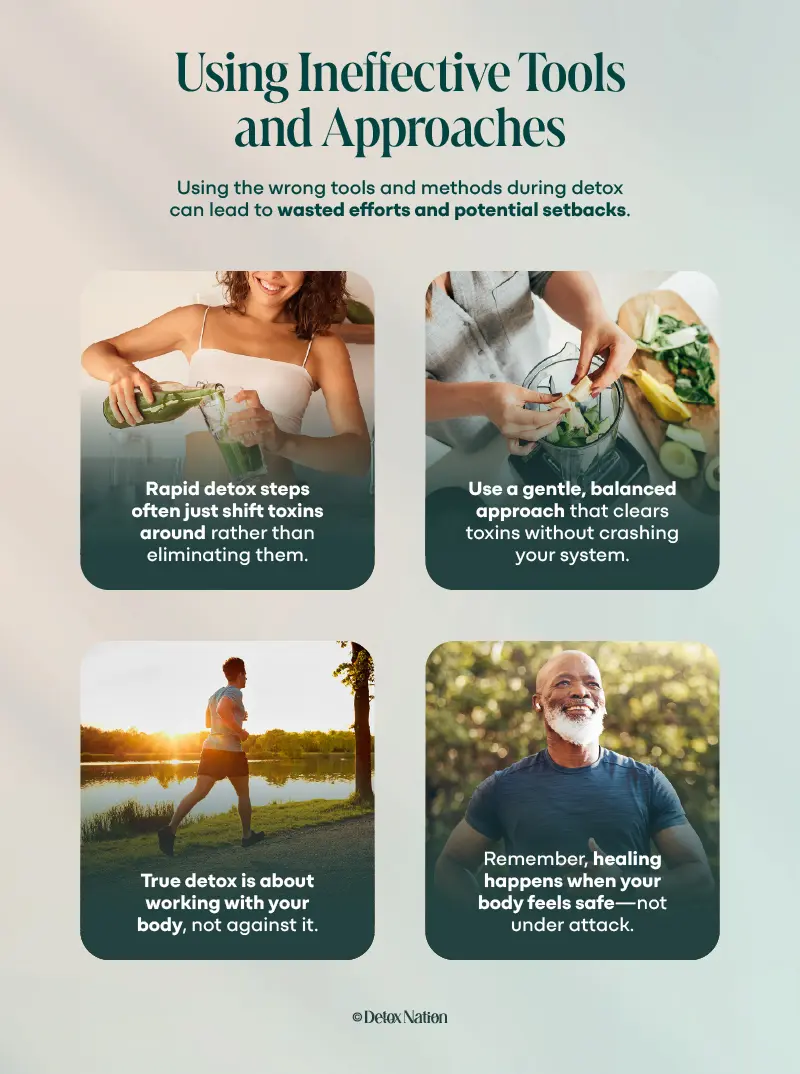
Using the wrong tools and methods during detox can lead to wasted efforts and potential setbacks. Many aggressive approaches may harm more than help, ignoring effective detox strategies. Let’s explore these pitfalls.
Consequences of Hunt-and-Kill Methods
The “hunt-and-kill” detox method might sound appealing—it’s all about aggressively targeting toxins and taking them down.
But here’s the reality: these aggressive strategies can put your body under a ton of stress, especially if your systems are already sensitive or struggling.
Instead of healing, this approach can overwhelm your body, leaving you feeling worse than when you started.
Your body needs support, not shock.
Rapid detox steps often just shift toxins around rather than eliminating them, creating even more complications.
True detox is about working with your body, not against it, using a gentle, balanced approach that clears toxins without crashing your system.
Remember, healing happens when your body feels safe—not under attack.
Use of Effective Binders and Gentle Methods
Gentle detox methods paired with effective binders are the way to go if you’re looking for a smarter, less stressful path to cleansing (15).
Binders are like toxin magnets—they safely latch onto harmful substances and help your body escort them out for good.
This process works in harmony with your system, providing a steady and reliable way to clear toxins without sending your body into overdrive.
By focusing on gentle techniques that align with your body’s natural rhythms, you minimize the risk of harsh reactions and support long-term healing.
This approach doesn’t just scratch the surface; it allows for a deeper, more thorough detox.
The result? A cleaner system without the unnecessary stress—because detox should leave you feeling better, not worse.
Symptom Suppression Doesn’t Address Underlying Issues
Suppressing symptoms during detox might seem like the easy way out, but it’s a band-aid solution that doesn’t get to the root of the problem.
Those headaches, fatigue, or other discomforts aren’t just annoyances—they’re your body’s way of saying, “Hey, something deeper needs attention here!”
When detox strategies focus solely on easing discomfort, they miss the bigger picture of what’s causing the imbalance.
Symptoms are feedback. If a strategy only suppresses discomfort without addressing why the body is reacting, the underlying pattern may continue.
Sustainable detox work means using symptoms as information while continuing to investigate the drivers underneath them.
When you tackle the “why” behind the discomfort, you set the stage for real, lasting healing—not just short-lived relief.
Mistake #7: Ignoring Emotions
Ignoring emotions during detox can hinder the whole process, leading to unexpected roadblocks. Unresolved feelings often resurface when you least expect them. This can manifest through both emotional and physical symptoms, and may disrupt detox efforts, creating barriers to healing.
Emotional Symptoms and Physical Detox
During detox, your emotions and physical symptoms are often two sides of the same coin (16).
Feeling anxious, sad, or irritable?
That’s not just in your head—it’s your body’s way of processing and releasing stored stress and toxins.
Ignore those emotions, and they can show up as headaches, fatigue, or even digestive drama.
Supporting your emotional health is just as critical as taking care of your physical body during detox.
Simple practices like journaling, mindfulness, or even a good therapy session can help you navigate these feelings and ease the process.
When you acknowledge and address what’s coming up, you’re not just making detox more manageable—you’re creating space for deeper healing and a stronger, more balanced you.
Unresolved Emotional Patterns and Trauma Create Barriers to Healing
Unresolved emotions and past traumas can be some of the biggest roadblocks to healing.
Detox isn’t just physical—it can stir up old patterns and habits tied to stress or trauma, making progress feel frustratingly out of reach.
For example, if stress once drove you to certain coping mechanisms, those same habits can resurface during detox, causing setbacks that feel like you’re stuck in a loop.
The key to overcoming these barriers is acknowledging them.
Instead of pushing those emotions aside, lean into understanding and processing them.
Counseling, support groups, or even mindfulness practices can help you unpack what’s been weighing you down.
Emotional release is powerful—it frees up energy for your body to heal and lets you move forward with clarity and resilience.
When you let go of what’s been holding you back, your detox journey becomes not just effective, but transformative.
Conclusion
Detox isn’t just about flushing out toxins—it’s about clearing space for your body to thrive.
Yes, this journey can feel messy at times (hello, brain fog, and unexpected emotions), but every challenge is an opportunity to learn more about what your body needs.
Remember, no one can fix this for you, but the good news is you don’t have to be perfect to make progress.
Each step you take—whether it’s swapping out inflammatory foods, focusing on gentle detox methods, or addressing emotional stress—brings you closer to the vibrant health you deserve.
Your body is resilient, even when it feels like it’s fighting against you.
By supporting its natural rhythms and addressing root causes, you’re not just detoxing—you’re creating a lifestyle that promotes long-term vitality and balance.
Keep going. The best version of you is just on the other side of this.
Keep going. The best version of you is just on the other side of this.
Join our Rapid Gut Reset to get started! And with the right approach, you’ll come out stronger, clearer, and ready to embrace the life you’re meant to live.
Join Rapid Gut ResetFrequently Asked Questions
When detox isn’t going as planned, you might wonder what’s wrong.
What are common signs that a detox isn’t working?
If you feel tired and sluggish instead of energetic, your detox may not be effective. Unintended weight gain or persistent cravings can also be signs. When you don’t notice improvements in mood or skin, it might be time to reassess your approach.
Can detoxing actually make you sick?
Yes, detoxing can sometimes make you feel worse initially. As your body releases toxins, you might experience symptoms like nausea or headaches. This is often temporary but can be uncomfortable. Going at your own pace, to your body’s tolerance, and prevent this from happening.
What are the phases your body goes through during a detox?
Your body typically goes through three phases during detox. The first phase involves the release of toxins, the second phase is the processing of these toxins by the liver, and the third phase is elimination. Each phase is crucial for a successful detox.
What tips can ensure a successful detox experience?
Drink plenty of water and eat a balanced diet rich in fruits and vegetables. Rest is important, as well as staying active with light exercise. You might also consider seeking guidance from a detox specialist to tailor the process to your needs.