
Could Parasites Be Part of Your Histamine Picture?
If you have been living on a shrinking list of ‘safe’ foods and still dealing with hives, flushing, itching, or unpredictable reactions, I understand why histamine itself starts to feel like the enemy.
But histamine is a messenger. The more useful question is what keeps pushing the system to release so much of it.
Parasites are one possible contributor that often gets overlooked.
Why This Connection Matters
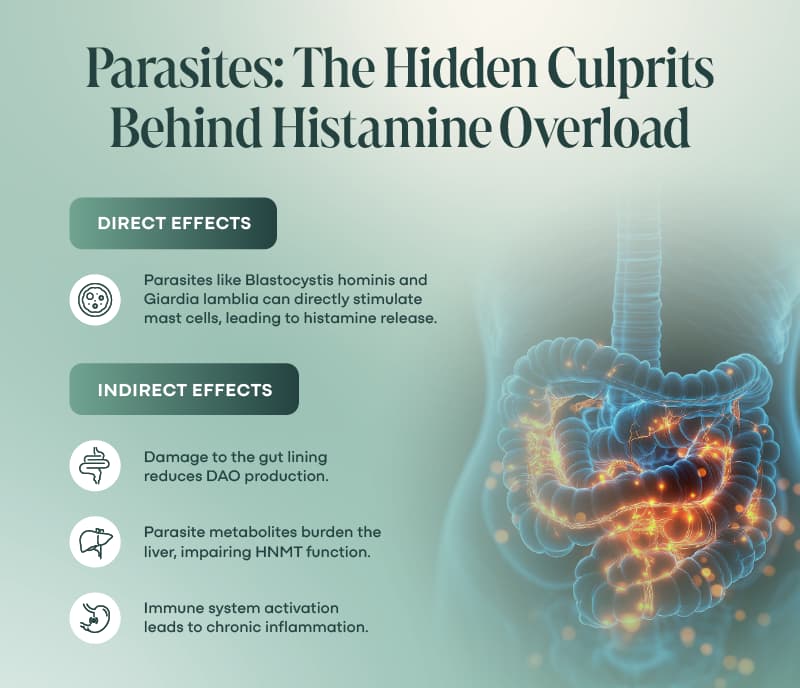
Mast cells are immune cells that release histamine and other inflammatory mediators when they sense a threat. Certain parasitic infections can stimulate mast-cell activity directly, while others may contribute indirectly through gut irritation, immune activation, and changes in the intestinal environment.
The existing article’s references include research connecting organisms such as Blastocystis, Giardia, and Strongyloides with urticaria and other immune reactions. Keep those citations in place where they directly support the revised sections.
The takeaway is not that every hive means parasites. It is that persistent histamine symptoms deserve a root-cause investigation rather than an endless list of foods to fear.
You might recognize the signs:
- Eczema or unexplained rashes (4, 10, 17, 18, 21, 22, 24, 28)
- Itchy skin, eyes, or ears (4, 9, 10, 11, 14, 16, 17, 21, 22, 24, 26, 28)
- Flushing, especially after meals (9, 10, 11, 14, 16, 18, 26, 28)
- Gas, bloating, reflux, and cramping even from “safe” foods (4, 5, 10, 11, 14, 16, 18, 21, 22, 23, 24, 28)
- Fast heart rate, dizziness, palpitations, or low blood pressure (4, 5, 9, 10, 11, 14, 17, 21, 22, 23, 24, 26, 28)
- Insomnia, fatigue, or brain fog (3, 18, 21, 26)
- Anxiety out of nowhere (49)
- Headaches or sinus pressure that don’t make sense (3, 4, 5, 9, 11, 17, 18, 21, 22, 23, 24, 26, 28)
- Wheezing, asthma, congestion, or shortness of breath (4, 9, 10, 11, 14, 18, 21, 22, 24, 28)
- Constipation, diarrhea, nausea, or vomiting (3, 4, 5, 9, 10, 11, 14, 16, 17, 18, 21, 22, 23, 24, 28)
- A feeling of fullness after eating (4, 5, 22, 23, 24)
- Muscle, bone, or joint pain (18, 21)
- Menstrual irregularities (11, 18, 24, 28)
And hives? Those are textbook histamine (4, 9, 10, 11, 14, 18, 21, 22).
They’re caused by mast cells, a type of immune cell loaded with histamine grenades (2, 3, 9, 12, 14, 15, 25, 26, 27).
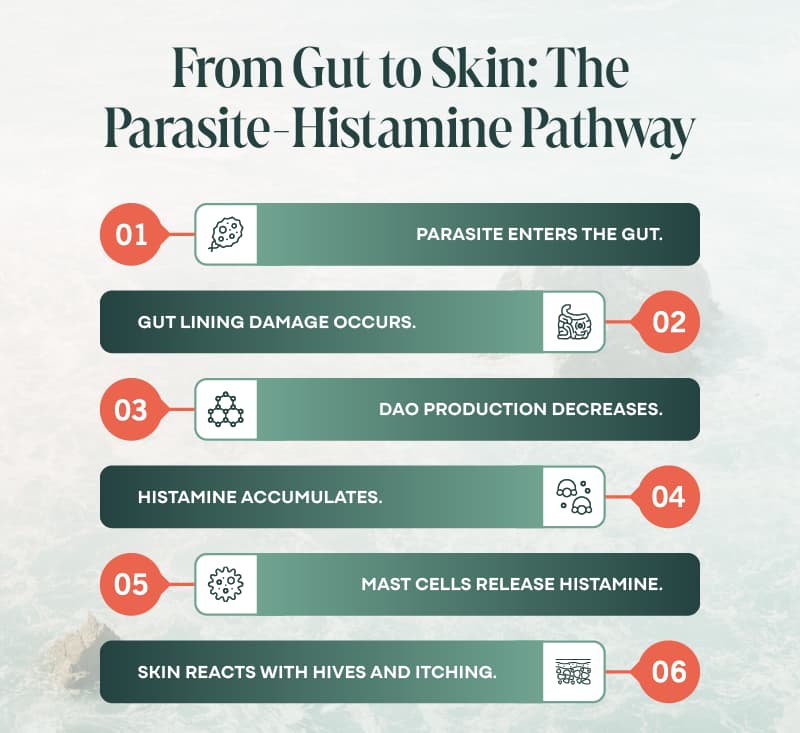
When those mast cells get triggered, they release histamine and other mediators into the surrounding tissues—and boom: swelling, redness, heat, itch (2, 9, 12, 14, 15, 27).
It’s not your skin that’s freaking out.
It’s your immune system saying, “We’re under threat. Deploy the histamine.”
But what’s actually threatening you?
Hint: it’s not the strawberries.
Clues That Make Parasites More Interesting
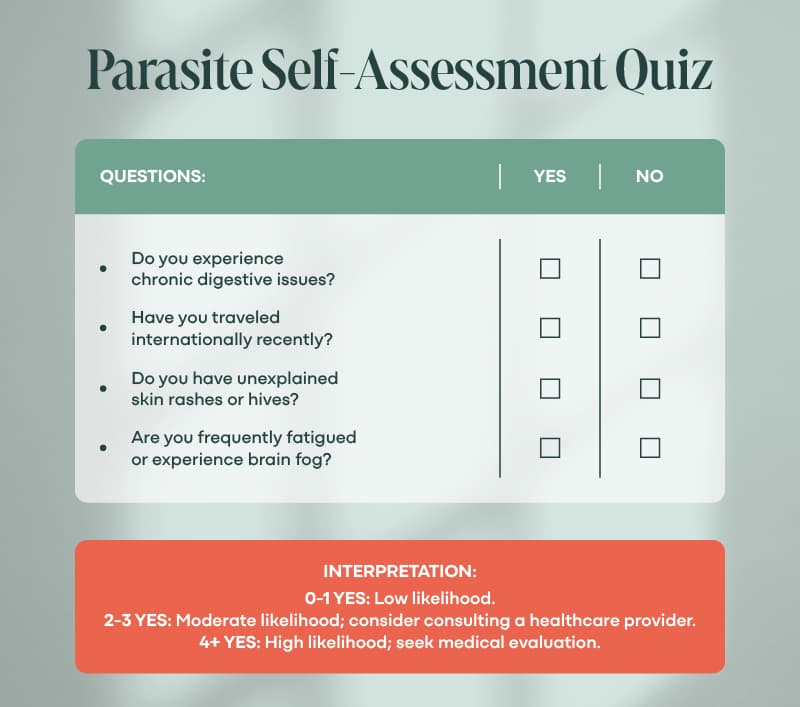
- Hives or itching that keep returning without a clear trigger.
- Bloating, nausea, diarrhea, constipation, or digestion that changes unpredictably.
- A history of travel, food poisoning, untreated water, pets, or other exposure opportunities.
- Symptoms that began after a major gastrointestinal illness.
- Fatigue, nutrient depletion, or unexplained changes in appetite.
- Histamine reactions that do not meaningfully improve even after a very restrictive diet.
None of these proves a parasitic infection. Together, they tell us where to investigate.
The Gut Is a Big Part of the Histamine Story
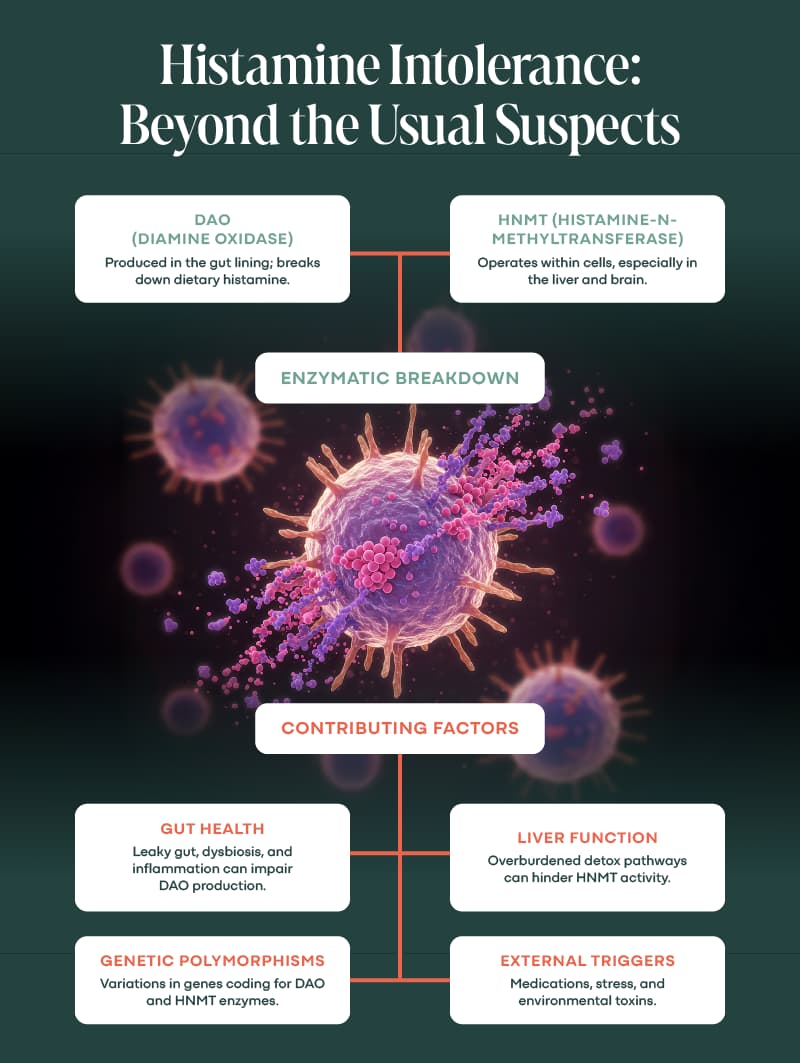
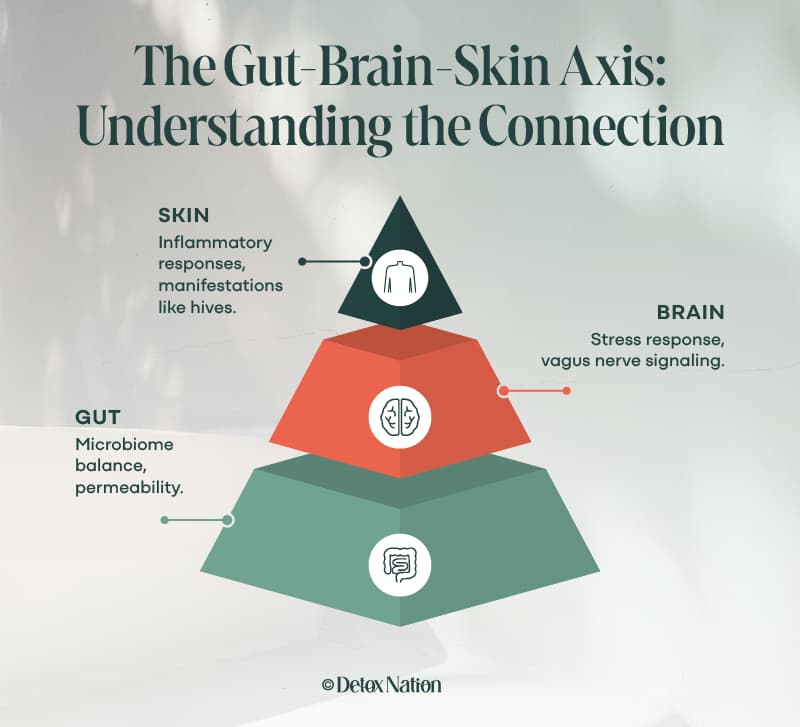
The gut helps regulate immune signaling and is also important for histamine breakdown. If the gut lining is irritated, the microbiome is disrupted, or the system is under persistent immune pressure, histamine tolerance can change.
That is why I do not want someone treating hives as a skin-only problem or histamine intolerance as a food-list problem.
We need to understand what is happening underneath it.
Why Testing Can Be Frustrating
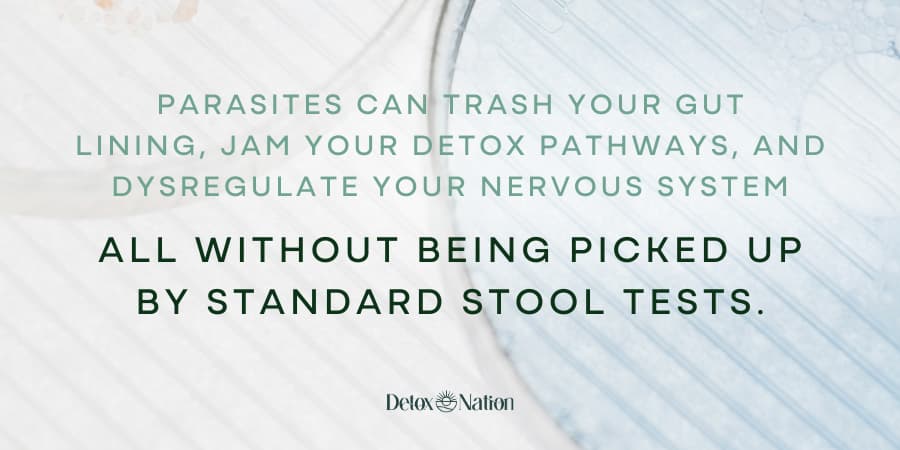
Parasite testing can be complicated, and the current article discusses the limits of conventional stool testing. Keep the site’s existing teaching here, but present it calmly: a negative result does not automatically settle every case when the history and symptom pattern remain strongly suggestive.
This is where a practitioner who understands parasites, gut terrain, and the patient’s full history can help decide what deserves further investigation.
Struggling with chronic symptoms?
Don’t just mask them—get to the root. Take the Parasite Self-Assessment and start your path to real healing.
Take the Parasite AssessmentDo Not Attack a Sensitive Body
If someone is already highly reactive, an aggressive parasite protocol can create more problems than it solves.
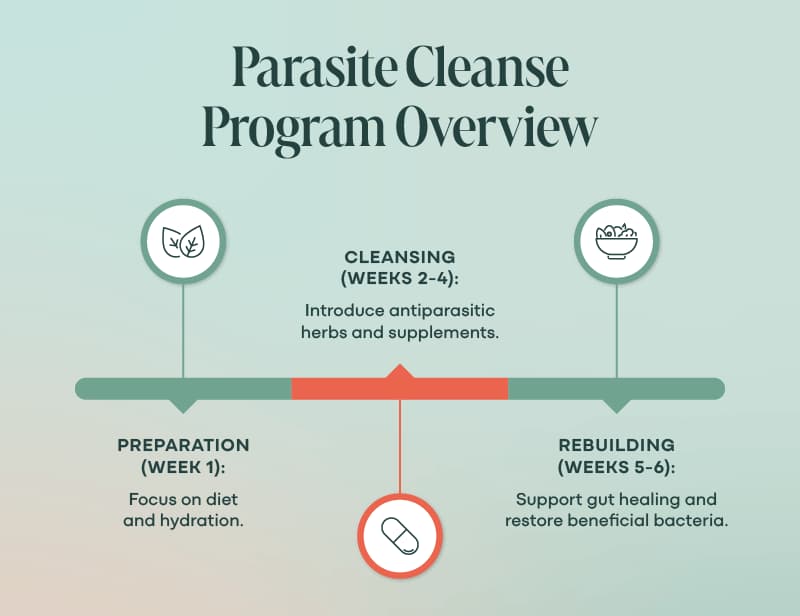
Our approach is to prepare the terrain first: drainage, bowel regularity, minerals, nervous-system support, bile flow, and enough resilience to handle deeper work.
Then parasite-focused support can be matched to the person’s sensitivity level.
The goal is not to win a war against your body. It is to change the conditions that are keeping the system inflamed and reactive.
What I Want You to Take Away
If you have histamine symptoms, keep asking why.
Histamine is part of a normal immune response. The problem is when the system stays activated and you end up reacting to more and more of your life.
Parasites may be one piece of that puzzle. Mold, gut dysbiosis, toxic burden, nervous-system dysregulation, and other factors can matter too.
Root-cause work is about finding the combination that belongs to your body.
Ready to Investigate the Parasite Piece?
Keep the current Rapid Parasite Release / parasite assessment CTA here, using the live URL already on the page.
Release Parasites and Feel Like Yourself in 8 Weeks or Less
Rapid Parasite Release is the only effective and customizable approach on the market that helps you pass parasites, heal from die-off symptoms, and reclaim your health. Whether you need the gentlest possible start or you’re ready for advanced protocols, we’ve created the perfect path for you.
Learn MoreFAQs
I’ve been told I have histamine intolerance—why would parasites be part of the picture?
Histamine intolerance isn’t a root cause—it’s a symptom of an overwhelmed body. Parasites can damage your gut lining (where your DAO enzyme lives), trigger chronic immune activation, and dump toxins that block your detox systems.
Can parasites really cause hives (urticaria), rashes, and skin flares?
Yes. Parasites like Blastocystis hominisand Giardiahave been linked to chronic urticaria in research. They provoke mast cells—your histamine-loaded immune cells—to freak out. The result? Flushing, itching, rashes, and mysterious skin reactions that no lotion can fix.
My tests came back negative. Could I still have parasites?
Absolutely. Most conventional stool tests miss parasites because they only look for adult forms—and ignore the larval stages or parasites hiding behind biofilms. If you’ve got the symptoms, trust them. Your body’s not lying.
I’ve tried a parasite cleanse before and felt worse. What gives?
If you didn’t prep your drainage pathways first, die-off reactions can make everything worse. Think: toxins get stirred up but have nowhere to go. That’s why our approach starts with drainage, then moves into parasite clearing—gently, in cycles, with binders and nervous system support built in.
How do medications like SSRIs or antihistamines affect histamine overload?
Some SSRIs and antihistamines block DAOor stress the liver and mitochondria, making histamine harder to break down. Long-term, they can increase your sensitivity.