


Magnesium is the unsung hero in your body’s daily grind, handling energy, relaxation, digestion, and balance without fanfare—until it’s gone. Suddenly, you’re running on empty, your brain feels like sludge, and muscle cramps hit out of nowhere. Ready to make up for lost time and support your body’s quiet champion? Here’s everything you need to know to take magnesium supplements.
Let’s talk about magnesium—the most underrated member of your body’s health team.
It’s the friend who always shows up early, stays late, and does the dirty work no one else wants to handle.
But what do we do? We totally ignore it until things go sideways.
Then suddenly, your muscles cramp, your energy dips, and you’ve got brain fog that feels like the early stages of zombiehood.
Here’s the thing—your body is always healing.
It’s constantly trying to keep you alive (thank you, body), but it needs a little help.
And magnesium is one of those lifelines.
The sad truth? Thanks to modern farming practices, stress, and less-than-stellar eating habits, most of us aren’t getting enough.
But this sucks-yet-fixable situation can turn around faster than you think.
Keep reading to learn about what magnesium does in the body, why people are deficient, the different types of magnesium and their uses, what to avoid in a supplement, and a list of my favorite magnesium supplements to save you the time and stress of trying to figure it all out.
Key Takeaways
- Magnesium is crucial for health.
- Most of us are deficient in magnesium.
- Magnesium deficiency is fixable – and I’ll share my favorite supplements to get you started.
Why Magnesium Is Important
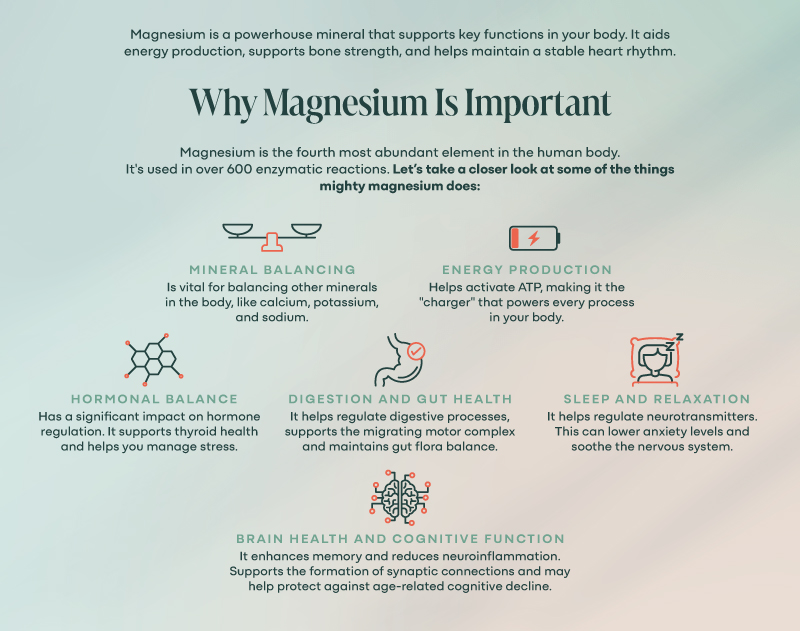
Magnesium is a powerhouse mineral that supports key functions in your body. It aids energy production, supports bone strength, and helps maintain a stable heart rhythm.
Magnesium’s Role In The Body
Magnesium is the fourth most abundant element in the human body (after calcium, potassium, and sodium), but where do you find it? (1)
- Bone – 50-65%
- Soft tissues, muscles, and organs – 34-39%
- Blood – 1-2% (this is why blood tests don’t effectively measure magnesium levels.)
Magnesium supports virtually every essential body function, helping with digestion, sleep, brain health, and keeping minerals balanced.
It’s used in over 600 enzymatic reactions, including those crucial for muscle contractions and maintaining a healthy heart and immune system (2). (And you thought you were busy!)
Let’s take a closer look at some of the things mighty magnesium does.
Mineral Balancing
Magnesium is vital for balancing other minerals in the body, like calcium, potassium, and sodium.
Think of the body’s essential minerals as a sports team, and magnesium as the head coach.
Magnesium keeps all the players in the right positions, ensuring they function smoothly and don’t compete for attention.
For instance, it prevents calcium from overworking, avoiding muscle cramps and keeping bones healthy.
Energy Production
Every cell in your body needs something called ATP to run – it’s the cellular form of energy, and it’s made in the mitochondria of cells (1, 2).
But ATP is like an uncharged battery without magnesium.
Magnesium helps activate ATP, making it the “charger” that powers every process in your body.
Hormonal Balance
Magnesium has a significant impact on hormone regulation (1, 2).
It supports thyroid health and helps you manage stress, affecting your mood and energy levels (3).
Hormonal imbalances can cause a range of issues, from stress to fatigue.
You know those days where you want to curl up and cry or explode in a fit of anger with almost no provocation? Or when the littlest thing happens and you Just. Can’t. Deal?
Magnesium might help even out your hormones and stress response.
Digestion and Gut Health
Magnesium is important for digestion and gut health.
It helps regulate digestive processes, such as peristalsis, which are wave-like muscle contractions that move food through the digestive tract like a conveyor belt.
This mineral also supports the migrating motor complex, a series of contractions that clear out remaining food in the intestines between meals.
Inadequate magnesium levels can lead to constipation, as it affects water balance in the intestines, softening stools, and promoting smooth passage.
This mineral also maintains gut flora balance, encouraging beneficial bacteria growth.
A 2024 study found a statistically significant inverse relationship between magnesium intake and the development of gallstones (7). (High intake is associated with low prevalence of gallstones.)
Sleep and Relaxation
You may already know that magnesium plays a key role in sleep and relaxation, but do you know how it works?
It helps regulate neurotransmitters like GABA, which promotes relaxation and restful sleep.
Further, adequate magnesium levels can help reduce the stress hormone cortisol.
All of this can lower anxiety levels and soothe the nervous system, paving the way for your sweet dreams (4).
Brain Health and Cognitive Function
Magnesium is essential for brain health, cognitive function, and protection.
It enhances memory and reduces neuroinflammation, which can make you feel unfocused and like you’re wandering around in a fog.
Magnesium supports the formation of synaptic connections, crucial for efficient communication between neurons (5, 6).
Magnesium may help protect against age-related cognitive decline and enhance overall brain performance (5, 6).
Why So Many People Don’t Get Enough Magnesium
Many factors contribute to magnesium deficiency, including poor soil quality, unhealthy eating habits, and stress.
Depleted Soils
Soil health is crucial for producing nutrient-rich foods.
Modern farming practices have changed the way food is grown, which affects the nutrient content of the soil (1).
When industrial chemicals are used, they can drain essential minerals from the earth. This results in crops that contain less magnesium, impacting your diet (1).
Without magnesium-rich soil, even fresh produce can lack this important mineral.
Signs of Magnesium Deficiency
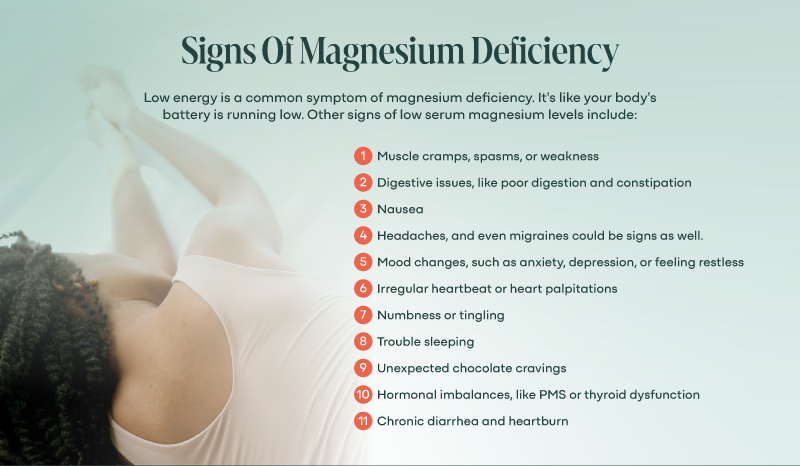
Low energy is a common symptom of magnesium deficiency. It’s like your body’s battery is running low. Other signs of low serum magnesium levels include (1):
- Muscle cramps, spasms, or weakness
- Digestive issues, like poor digestion and constipation
- Nausea
- Headaches and even migraines could be signs as well.
- Mood changes, such as anxiety, depression, or feeling restless
- Irregular heartbeat or heart palpitations
- Numbness or tingling
- Trouble sleeping
- Unexpected chocolate cravings
- Hormonal imbalances, like PMS or thyroid dysfunction
- Chronic diarrhea and heartburn
Different Types of Magnesium Supplementation and Their Unique Benefits
Magnesium comes in various forms, each with its own benefits and uses. Whether it’s relieving muscle cramps or supporting brain health, different types of magnesium supplements may help in different ways.
(Spoiler alert: I’ll share my favorite magnesium products at the end!)
And once you do, life will feel a whole lot less overwhelming, one magnesium-rich day at a time.
To get started, check out the magnesium products I trust with my health!
Check Out My Favorite Magnesium ProductsDietary Choices and Reduced Magnesium Intake
Processed foods are a staple in the Standard American Diet (SAD) even though they often lack magnesium.
One study found that processed white flour loses 82% of its magnesium, polished rice loses 83%, and processed white sugar loses 99% of its magnesium (1).
A reduced intake of magnesium in the diet can lead to low blood levels of magnesium.

Stress
Chronic stress is known to harm your body in many ways, including depleting magnesium levels.
Stress can increase your body’s demand for magnesium, affecting not only your mood but also your overall health (3).
Adverse Effects of Medications
Some medications can cause low levels of magnesium in your body.
Diuretics, proton pump inhibitors, and even some antibiotics can lower magnesium absorption or increase its excretion.
Conditions like type 2 diabetes, and treated with medications such as hydrochlorothiazide (HCT), can also contribute.
Age
As you age, your body’s capacity to absorb magnesium naturally decreases.
Chronic conditions like hypertension and kidney disease become more common and can further affect magnesium levels.

Magnesium Glycinate
Magnesium glycinate is known for its high bioavailability, which means your body absorbs it well (12).
This makes it great for improving sleep quality and reducing stress.
Magnesium Citrate
Magnesium citrate is often used as a natural remedy for digestion issues.
It’s effective for relieving constipation and is sometimes used to prevent or alleviate muscle cramps (11).
Magnesium Malate
Magnesium malate is a type of magnesium that can help boost your energy levels.
It’s also been noted for its potential benefits in easing muscle pain from your latest workout (12).
Magnesium L-Threonate
Magnesium L-threonate is unique for its ability to support cognitive function (12).
It can cross the blood-brain barrier, which enhances its impact on brain health.
Magnesium Oxide
Magnesium oxide is often used as a laxative (9).
It’s less absorbed by the body compared to other forms, but is effective for its intended purpose.
Magnesium Chloride
Magnesium chloride is well-suited for topical applications.
It’s commonly used to relieve muscle tension and promote relaxation (10).
Magnesium Taurate
Magnesium taurate is beneficial for cardiovascular health (8).
It’s specifically known for helping regulate blood pressure.
This type of magnesium combines magnesium with the amino acid taurine, which is good for heart health.
Now that we’ve looked at some of the common types of magnesium, we need to talk about what to avoid in your supplementation.

What To Avoid in a Dietary Supplement
Choosing magnesium supplements can be tricky because of poor absorption and unwanted additives. It’s important to be aware of low-quality forms, fillers, and misleading labels.
Low Quality Forms
Not all magnesium supplements are the same.
Some forms, like magnesium oxide, are poorly absorbed by your body.
This means you might not get all the benefits you’re hoping for.
Look for forms like magnesium glycinate or citrate, which are more easily absorbed.
By choosing the right form, you’ll maximize the health benefits you’re looking for.
Fillers And Flow Agents
Many supplements include unnecessary additives.
Fillers and flow agents are often used in pills to make them easier to produce but don’t add any health value.
Worse, they may even harm your health.
These flow agents can sometimes interfere with absorption, reducing the effectiveness of the magnesium.
When selecting a supplement, check the label for these ingredients:
- Magnesium stearate
- Silicon dioxide (silica)
- Magnesium silicate (talc)
- Calcium silicate
- Titanium dioxide
- Microcrystalline cellulose (MCC)
- Dicalcium phosphate
- Starch
- Maltodextrin
Aim for products that contain pure magnesium without extra fillers or additives, ensuring you get the highest quality available.
Misleading Labeling
Supplement labels can be confusing.
Some products use terms like “proprietary blend,” which can hide the exact amounts of ingredients, making it hard to know if you’re getting enough magnesium.
Misleading labeling may also exaggerate benefits or use small print to hide potential side effects.
Always read the labels carefully and choose reputable brands that clearly list their ingredients and amounts. (How do you know if a brand is reputable? I can help!)
Flavored Magnesium Powders
Flavored magnesium powders might seem appealing, but they often contain artificial sweeteners, coloring, or sugar.
These additives can trigger inflammation and other issues.

Choosing The Right Magnesium For You
Understanding different forms of magnesium can help you make a tailored choice. Consider why you need magnesium, ensure it’s from a reliable source, and explore different methods of use.
Take a Magnesium Supplement Tailored To Your Needs
Different forms of magnesium target specific health areas. Make sure you’re taking the right kind of magnesium for your health concern. For example:
- Magnesium glycinate: Sleep support and stress reduction
- Magnesium citrate: Constipation relief
- Magnesium L-threonate: Brain health and cognitive function
- Magnesium taurate: Cardiovascular benefits
Look For Third-Party Testing
When choosing magnesium supplements, it’s essential to select products that have been independently tested by third-party organizations.
Third-party testing verifies the product’s potency and purity.
Look for certifications on product labels, which indicate that an independent lab has tested it.
Magnesium Oils And Bath Salts are High in Magnesium
If oral supplements are not your thing, consider transdermal options like magnesium oils and bath salts.
Magnesium chloride is often used in sprays for easy skin absorption, providing a convenient way to increase magnesium intake.
Bath salts (like Epson salt) can offer a relaxing experience while allowing magnesium to absorb through the skin.
This method not only helps with muscle relaxation but is one of my favorite ways to unwind after a stressful day.

Magnesium “Round Up”
We’ve covered a lot of ground in this article – if you’re feeling a tad bit overwhelmed or aren’t sure how to find a high-quality, 3rd party tested magnesium supplement that contains the right ingredients and is from a reputable company – I got you!
Here are some of my magnesium BFFs.
Full disclosure: If you click & purchase through one of my links, I may receive a small commission at no extra cost to you. I only recommend tools I personally use and love!
- Magnesium Glycinate – the most absorbable form and helps support healthy muscle, nerve, and heart function.
- Magnesium Citrate – improves bowel regularity. Supports a calm mood and healthy sleep. Helps maintain muscle comfort.
- Mag7 – This is a blend of 7 types of magnesium to help with energy production, digestion, sleep, muscle building, recovery, brain health, migraines, the immune system, and heart health.
- Ease Topical Spray – Uses magnesium chloride hexahydrate to encourage relaxation and calm.
- ReMag – Magnesium Chloride for cardiovascular support, energy production, bone health, and nervous system support.
- OxyPowder – Uses magnesium oxide to help with constipation, gas, and bloating by dissolving and releasing compacted feces. Also assists with gentle microbiome balancing.

Conclusion
So, here’s the bottom line: magnesium is the unsung hero your body’s been quietly begging for.
From balancing your hormones so you can finally stop crying over commercials (no judgment) to helping your brain think clearly again, magnesium is your body’s fixer-upper mineral.
It’s not glamorous, but it’s effective. Think of it as your health’s backstage crew, making sure everything looks and runs smoothly, even when life throws you allll the curveballs.
It’s up to you to add more magnesium to your routine, avoid the garbage supplements with fillers, and give your body what it’s been asking for all along.
You’re not broken—you just need to recharge.
And once you do, life will feel a whole lot less overwhelming, one magnesium-rich day at a time.
To get started, check out the magnesium products I trust with my health!
Check Out My Favorite Magnesium ProductsFrequently Asked Questions
Magnesium plays an important role in many body functions, including sleep and heart health.
How does magnesium affect sleep quality?
Magnesium is known to help improve sleep. It can help you relax because it supports calming neurotransmitters. Many people find it easier to fall asleep and stay asleep with enough magnesium in their diet.
What are the potential side effects of magnesium supplements?
Taking magnesium supplements might cause side effects like diarrhea, nausea, or stomach cramps. It’s important not to exceed the recommended dose of magnesium. If you experience discomfort, it’s a good idea to talk with your holistic practitioner.
Can foods be high in magnesium?
Yes, magnesium is found in many foods. Some examples of foods that contain magnesium include green leafy vegetables, nuts, seeds, broccoli, bok choy, bananas, pumpkin seeds, raw milk, and Brussels sprouts. Eating a diet rich in these foods can help you get your magnesium from food and avoid low magnesium levels.
What are the potential benefits of magnesium?
Magnesium is critical for energy production, hormone balancing, cellular communication, and more! It can help reduce muscle cramps, improve sleep, balance your mood, and get your bowels moving! (Low magnesium can have far-reaching effects in your body.) Oral magnesium supplementation is a great way to make sure you have optimal levels of magnesium.