
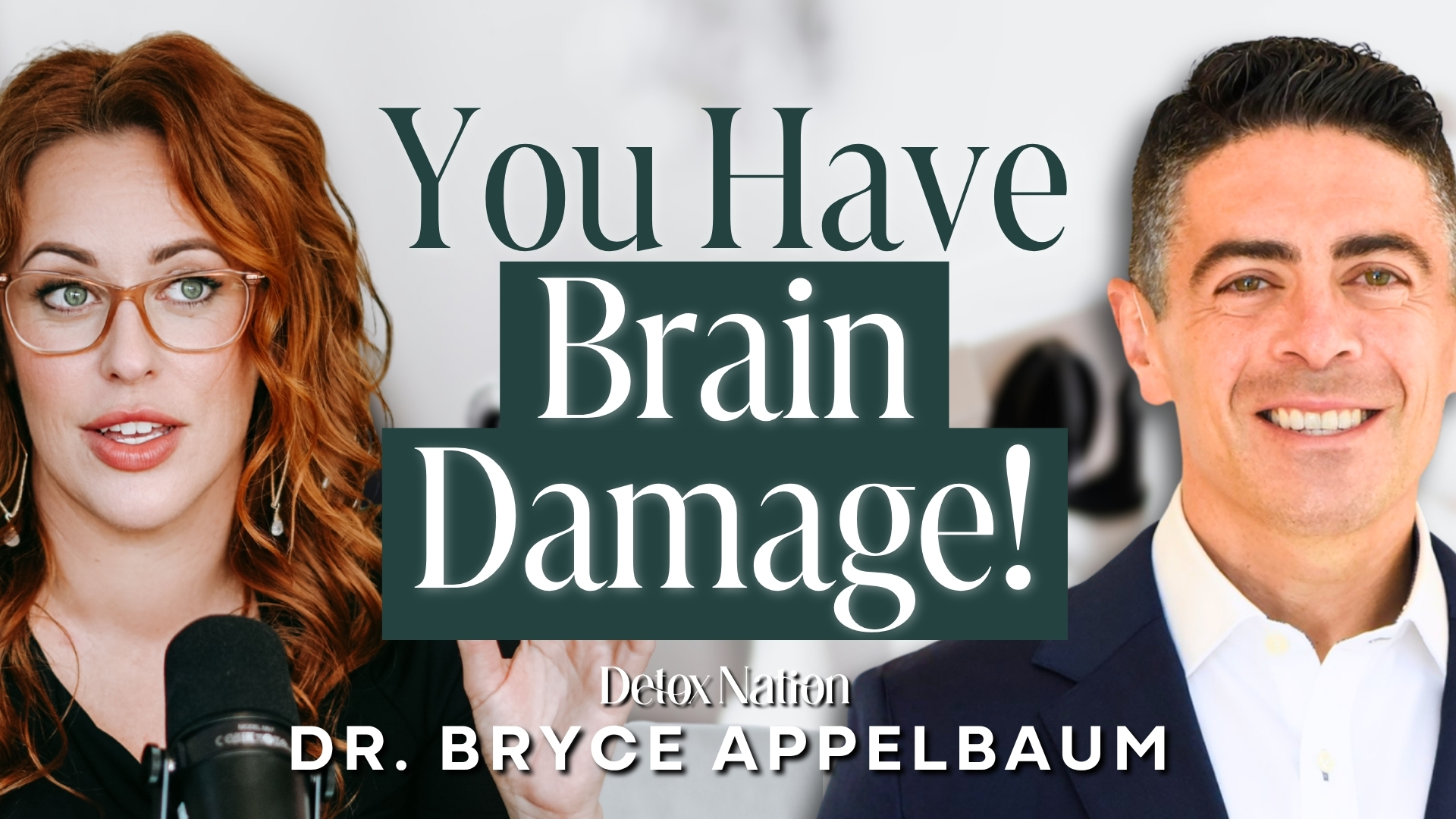
So many of us walk around carrying symptoms we’ve tried to explain away. The headaches, the screen intolerance, the brain fog, the frustration that hits when the simplest tasks feel harder than they should. I see this often in our practice, and I’ve lived parts of it myself. What most people never realize is how often an old head injury is still directing the show. Your body is brilliant. It remembers everything, including the moments when your brain had to work overtime just to make sense of what your eyes were taking in.
Talking with Dr. Bryce Appelbaum brought so much clarity to this. He explains how vision is really brain function and why concussions always affect the visual system, even when eyesight looks normal. We get into the neuroinflammation piece, the overwhelm that builds when the eye brain connection is stressed, and the ways we learn to compensate without ever knowing we are doing it. I share parts of my own journey too, including the visual challenges I masked for years by sheer force of will.
This conversation brings a lot of hope. Once you understand why your system has been struggling, you can finally see the path forward. Your body remembers how to heal. Let’s unpack this together.
Key Takeaways
- Vision Lives in the Brain – Eyesight is clarity, but vision is how the brain organizes and filters the world, which is why concussions always influence visual function.
- Neuroinflammation Shows Up Through the Eyes – Light sensitivity, headaches, dizziness, screen intolerance, and fatigue often reflect inflammation affecting the visual system.
- Most Concussions Go Unrecognized – Even quick acceleration or deceleration of the head can shift how the brain uses the eyes, long before symptoms get linked to a head injury.
- Compensation Drains Energy – When the visual system is working too hard, the brain spends enormous effort trying to keep up, which affects mood, digestion, and overall resilience.
- Holistic Rehabilitation Works Best – Movement, vision therapy, functional neurology, and systemic support help restore regulation and rebuild the eye brain connection.
- Daily Support Makes a Difference – Screen breaks, simple eye exercises, and intentional visual training help reduce symptoms and create more ease in daily life.
Where to Find Our Guest
MyVisionFirst Website: https://myvisionfirst.com
MyVisionFirst on Facebook: https://www.facebook.com/myvisionfirstoptometry/
Dr. Bryce Appelbaum on LinkedIn: https://www.linkedin.com/in/dr-bryce-appelbaum
Dr. Bryce Appelbaum on Instagram: https://www.instagram.com/drbryceappelbaum
Links & Resources
Connect with Sinclair Kennally:
IG: https://www.instagram.com/thedetoxnation/
W: https://detoxnation.com/
Feeling like your symptoms don’t add up? Take our free Root Cause Assessment (Beta) designed to help determine the top 3 root causes that may be behind them (mold, parasites, toxins, liver congestion + more)… Plus, curated next steps so you’re not left guessing.
Take the Root Cause Assessment: https://detoxnation.com/quiz/